The behind-the-scenes dynamics driving Cameroon and Equatorial Guinea’s collaborative approach to shared gas resources took a decisive step forward in Yaoundé.
Unpacking the strategic positioning ahead of Chevron negotiations
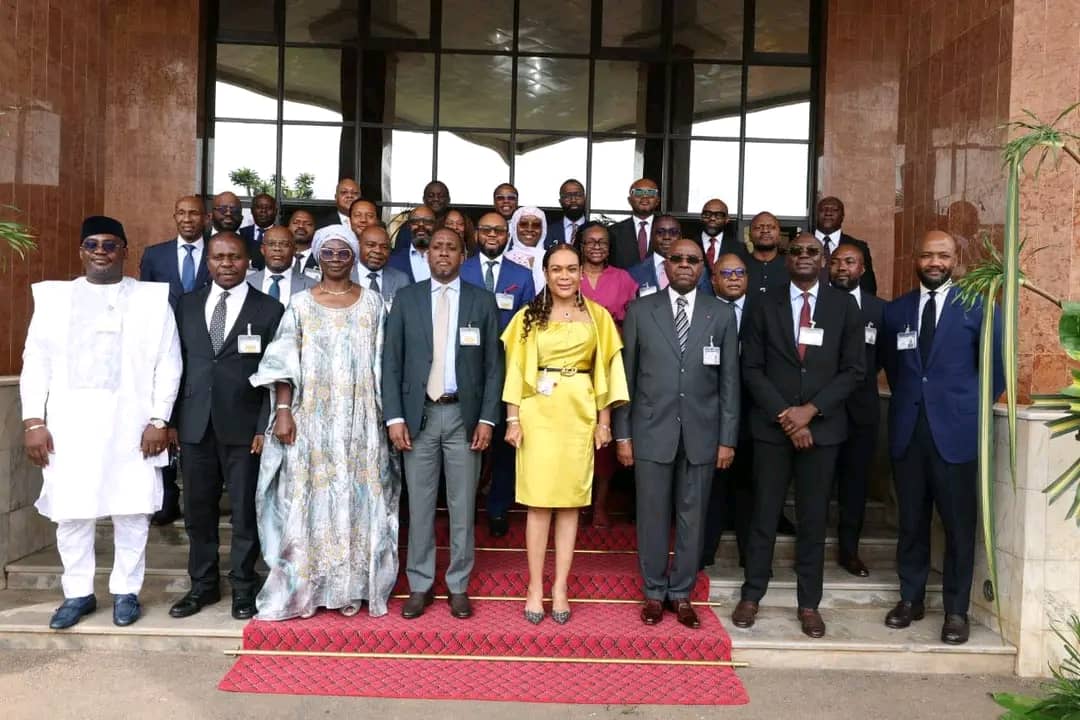
The National Hydrocarbons Corporation (SNH) in Yaoundé played host to a pivotal bilateral meeting on November 4, 2026. The session brought together Cameroonian and Equatorial Guinean delegations to finalize their joint position on the Unit Operations Agreement (AOU) for the cross-border Yoyo-Yolanda gas fields. This alignment paves the way for upcoming discussions with Chevron, the project’s key partner.
Nathalie Moudiki, Senior Advisor at SNH, led the Cameroonian delegation, while Oscar Berniko, Director-General of State Entities and Petroleum Assets at Equatorial Guinea’s Ministry of Hydrocarbons, led the Equatorial Guinean team. Their collaboration reflects a shared commitment to leveraging transboundary gas resources for industrial growth, economic development, and meeting public demand.
The broader context fueling this energy partnership
The momentum behind this initiative stems from a series of diplomatic and regulatory milestones. The foundational agreement was signed on March 17, 2023, in Yaoundé by Presidents Paul Biya of Cameroon and Teodoro Obiang Nguema Mbasogo of Equatorial Guinea. This was followed by the Unitization Agreement inked on February 3, 2026, in Malabo, which legally bound both nations to jointly develop the Yoyo-Yolanda fields as a single operational entity.
The November 4 session represents a critical checkpoint in translating these agreements into practical frameworks. With Chevron poised to play a central role, the next phase will focus on finalizing the AOU and ensuring the sustainable exploitation of the shared gas reserves.
Why this cooperation matters for regional energy dynamics
Beyond its immediate economic implications, the Yoyo-Yolanda project underscores the potential of South-South collaboration in resource management. By pooling their gas assets, Cameroon and Equatorial Guinea aim to reduce redundancies, maximize efficiency, and foster industrialization in a region eager to diversify its energy mix.
The project’s success could serve as a blueprint for other cross-border initiatives, demonstrating how neighboring nations can overcome historical barriers to achieve mutual prosperity through shared infrastructure and governance models.